Un/Known Urban Natures

Venetian Water Colours

Based on two years of lively discussions, the Urban Environments Initiative is hosting an online conference from June 30 to July 2: Irritations and Unforeseen Consequences of the Urban.

I’m delighted to be part of Working Group 1: Un/Known Urban Natures. Together with Raúl Acosta, Joseph Adeniran Adedeji, Maan Barua, Matthew Gandy, and Kara Schlichting, we will be discussing the various layers of urban nature that coexist in cities around the world.

I will be discussing water, colour, and perceptions of urban nature in Venice, Italy.

Find out more about the conference, including the program and registration link, here.

The Tourist Trap: Culinary Imaginations of Venice

Just Food

From June 9-15, four food studies organizations have joined forces to host an impressive and important online conference: Just Food: because it is never just food. Centred on the theme of Food Justice, the programme is rich in much urgent food for thought.

I’m excited to be part of a panel discussing culinary tourism. Moderated by Beth Forrest, I am in excellent company and am thrilled to be sharing this panel with Shayan Lallani (presenting on cosmopolitan cruise ship dining), Lucy Long (presenting on virtual tourism in the time of COVID-19), Jonatan Leer (presenting on sustainable food tourism with a focus on the Nordic region), and Michelle-Marie Gilkeson (presenting on sensory devices in food-focused travel shows). My paper discusses (over)tourism, restaurants, and the weight of culinary imaginations of Venice.

Find out more about the conference here.

Happy as a Clam: Clichés, Climate, and Cuisine

Detail from “Venezia Riparte” by Gianmarco Toma, 2020

Detail from “Venezia Riparte” by Gianmarco Toma, 2020

Next Friday, May 28, I’m delighted to be presenting my research as part of the Environmental Humanities Seminar and Lecture Series - V hosted by the Center for the Humanities and Social Change at Ca’ Foscari University of Venice.

Eating is one of the most direct ways humans interact with environments by literally digesting them. Food history, thus, reveals how everyday eating practices not only reproduce cultural imaginations of landscapes but also shape actual environments. Narrowing in on seafood, this seminar asks: how do human appetites transform, harm, but also perhaps heal watery worlds? It aims to serve examples of the kinds of stories that food can tell. Spotlighting both Venice and Venice-in-the-world, it assembles a cast of fish and shellfish to consider the relationship between food and place, between ritual and cliché, and between cuisine and climate.

Find more details and the registration instructions here.

"The wet stuff that matters most"

Riot and Roux water issue

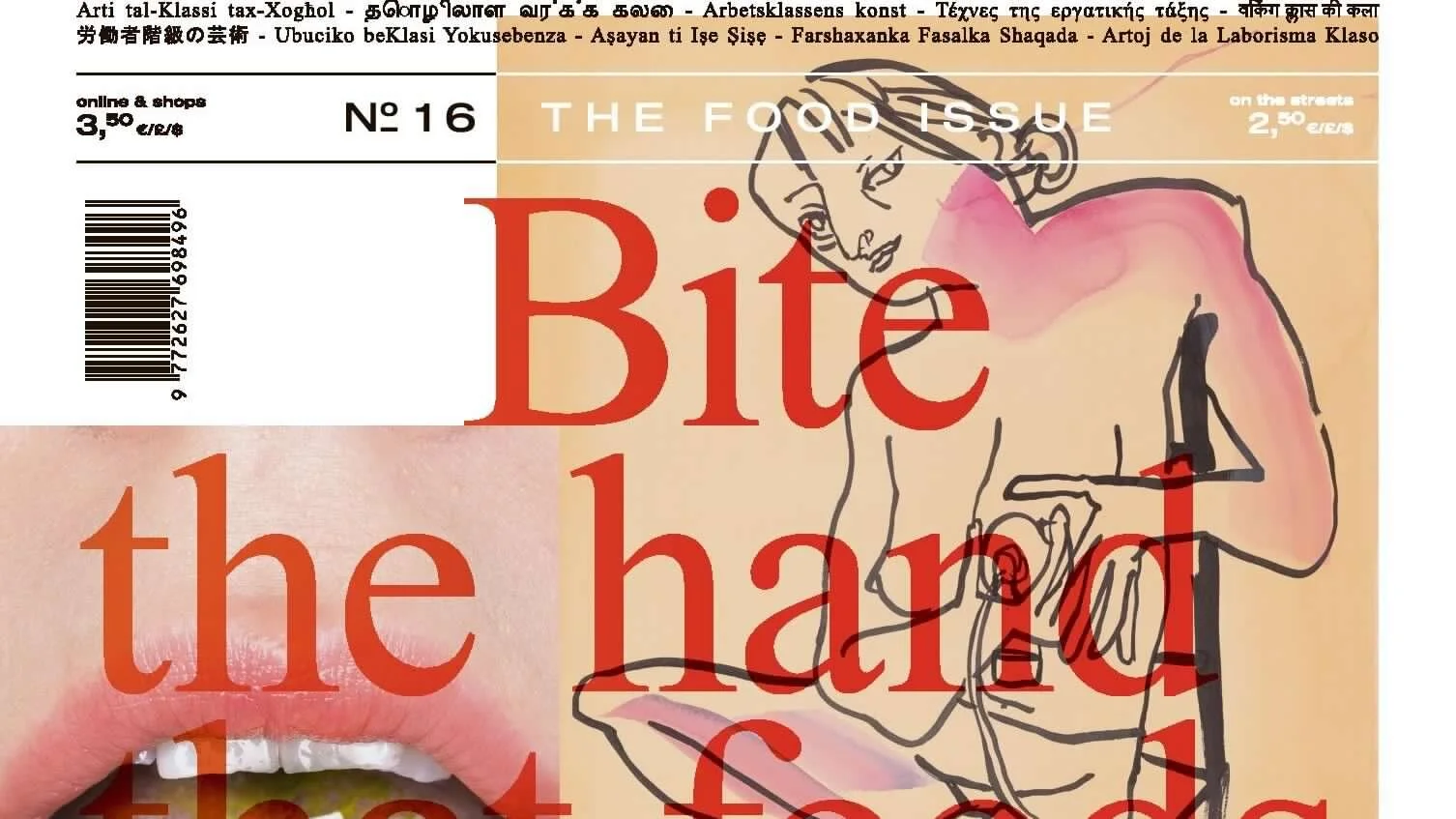
Just in time for World Water Day, Riot and Roux!—an independent quarterly publication that explores the intersections of food, power, and social change—released its second issue. And its all about “the wet stuff that matters most: WATER!”

In honour of worlds that are equally salty as they are wet, I wrote about oysters, the power of words and names, and settler colonialism in a piece titled “Self-Portrait, with Shellfish.” Preview the issue here.

Urban Environments Initiative: "Food, Cities, and Environments"

Urban Environments Initiative

The Urban Environments Initiative is an exciting collaborative project between the Ludwig-Maximilians-Universität München (LMU), the Technische Universität München (TUM), the University of Cambridge, and New York University. It looks at urban environmental issues, and I am delighted to be a part of it.

Hot off the press, read the positions papers here and my contribution—“‘Urban Soup’: Food, Cities, and Environments”—here.

Food in the Time of COVID-19

Gastronomica

How do people feed themselves in times of crisis? What is the role of community and social ties in feeding ourselves, families, the ill, and each other? How has the crisis both highlighted the essential services provided by food workers and the precarity of those services?

In response to these questions, Gastronomica: The Journal for Food Studies just published its August edition: a collection of 59 “dispatches” from the early days of the COVID-19 pandemic. The collection is impressively global. Some contributions are funny, others sad, and many anxious. However imperfectly, together they document the early months of lockdown and what it has been like to experience the pandemic around the world.

I am honoured to be one of those 59 accounts. Read “Brotzeit: Dispatch from Munich” here and the whole issue here.

Canadian Culinary Imaginations

Canadian Culinary Imaginations

As of today, Canadian Culinary Imaginations is out in the world! Four years in the making, it clocks in at 2 pounds and 412 pages. Published by McGill-Queen’s University Press, Shelley Boyd - a literary scholar - and Dorothy Barenscott - an art historian - edited this timely collection of fine essays and artworks. And Vancouver-based artist Jay Cabalu crafted its handsome cover.

I am so proud to have contributed a chapter. “From Meat to Metaphor: Beavers and Conflicting Imaginations of the Edible” dives in deep to the culinary history of Canada’s animal emblem.

The book is available in both hardcover and paperback. Read more about the publication here and the symposium behind the project here.